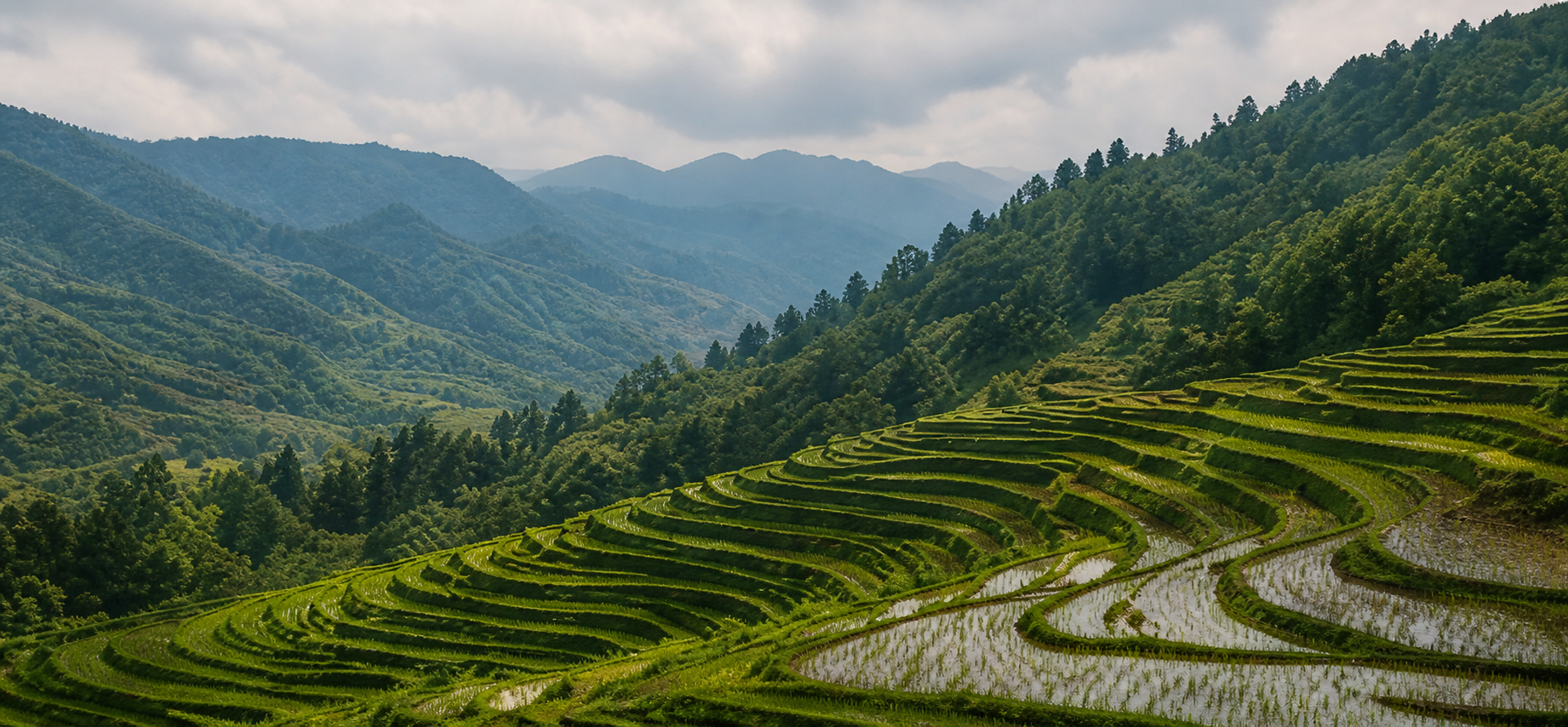
A terraced valley can appear timeless from a viewpoint, but it is always changing. Water levels, planting, harvest, fog and the work of farming families alter the landscape from week to week. Travelling with that in mind turns a scenic stop into a way of reading the mountains.
The colour is seasonal
Visitors often imagine either mirror-like flooded terraces or fields at their brightest green. Those moments depend on elevation, weather and agricultural schedules, which vary between valleys. Harvest brings another palette, while winter can feel quiet, brown and misty. None is the "wrong" Sapa; each reveals a different part of the cycle.
Paths are working spaces
Village routes may pass beside fields, homes and water channels. Stay on established paths, close gates as you find them and avoid stepping into crops for a photograph. After rain, clay paths can become extremely slippery, so suitable shoes and a flexible plan matter more than covering a fixed distance.
Travel with useful expectations
- Mountain weather can change within an hour.
- Mobile coverage may be inconsistent away from town.
- Ask permission before photographing people, homes or craft work.
- Agree on prices before purchasing crafts or arranging additional services.
- Carry water and bring back everything you carry in.
The landscape is beautiful because it is lived and worked in. Respect begins by seeing it as more than scenery.
Let a local story slow the route
A guide who knows the valley can explain how water moves, why certain crops appear at different heights and how daily life changes through the year. That context is often more valuable than reaching one more viewpoint before sunset.