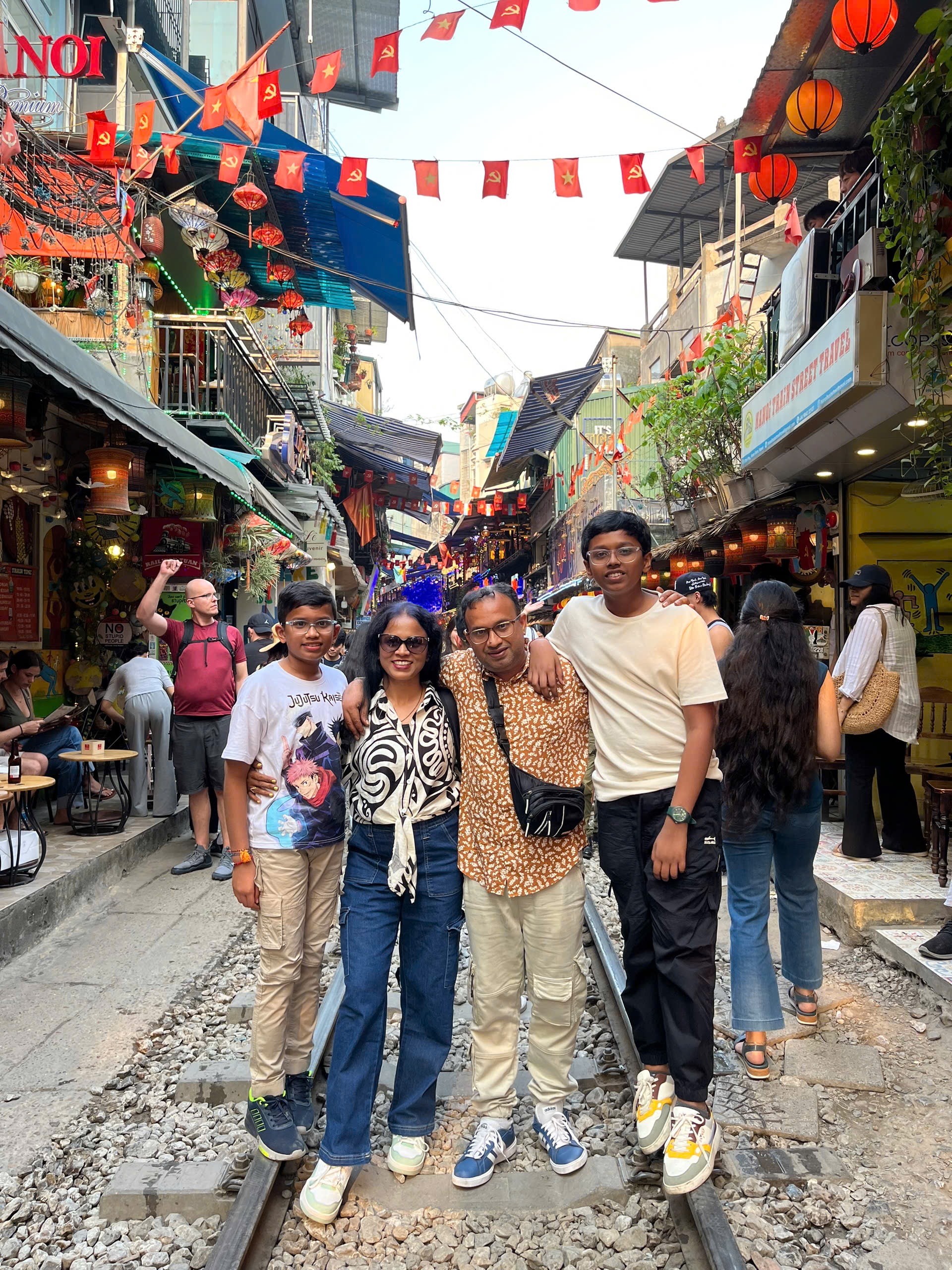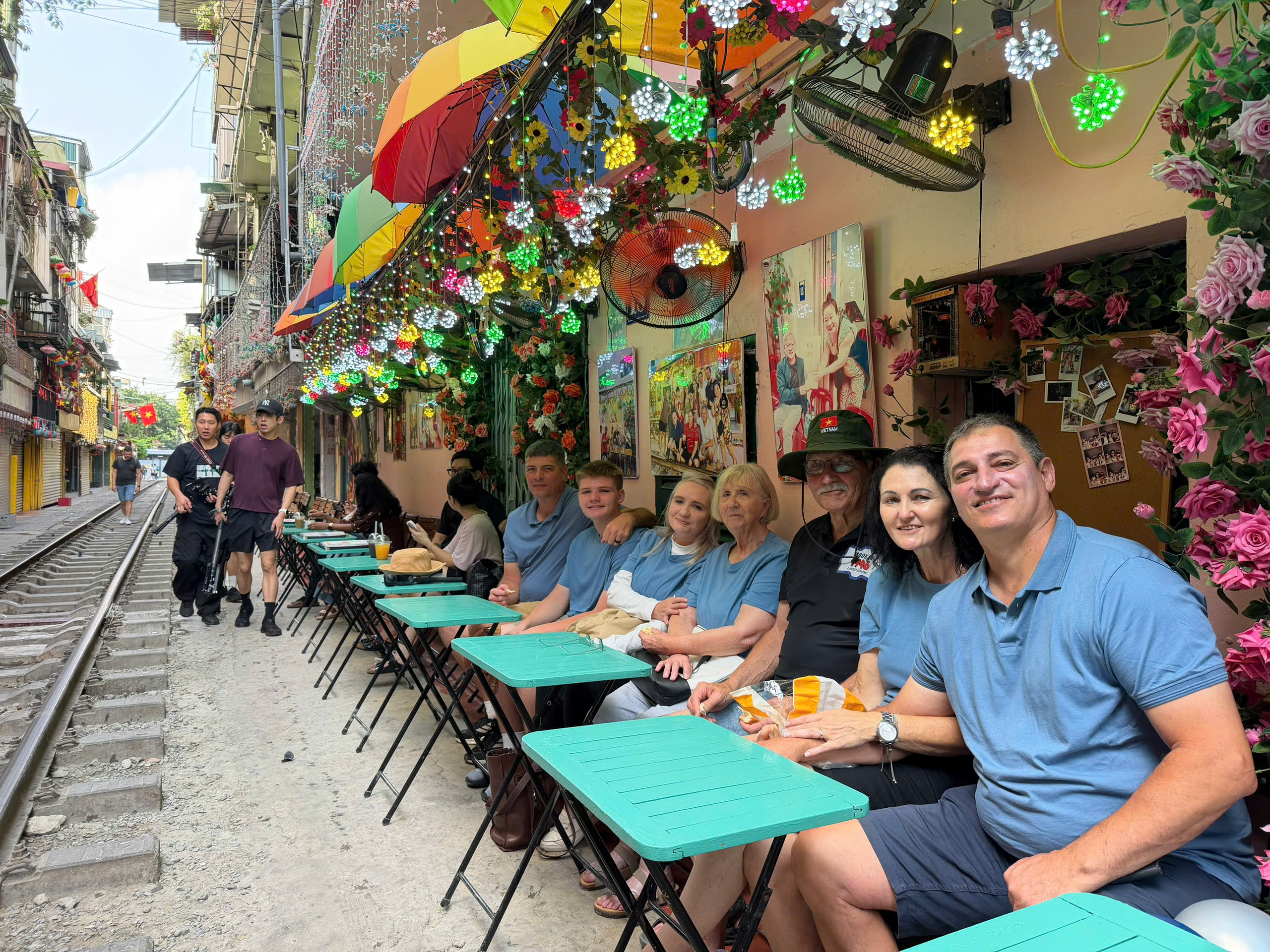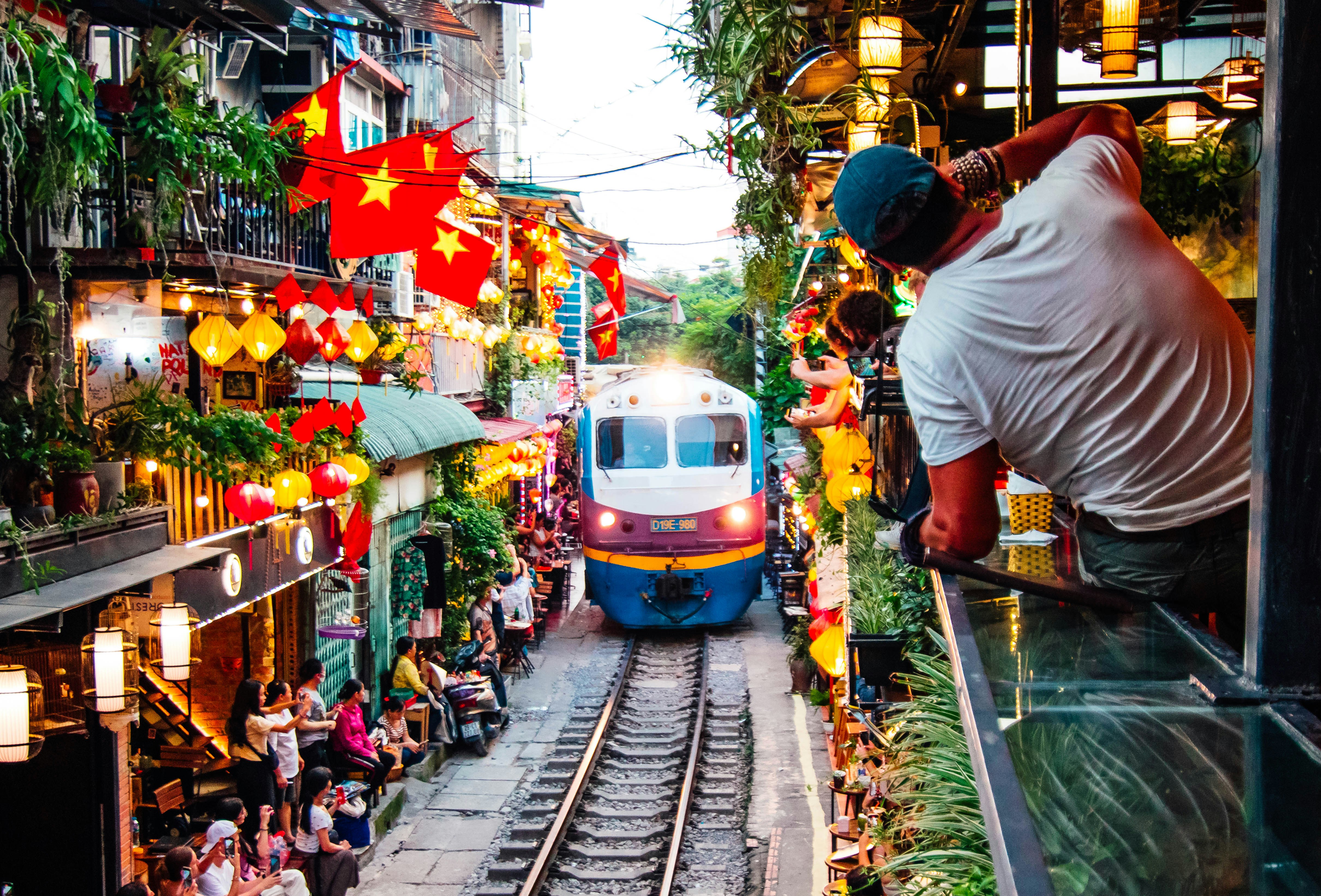
Railways leave a visible line through Hanoi, but the most interesting details often sit just beyond the rails. Houses open onto small lanes. Shops serve neighbours who have lived with the sound of passing trains for years. Roads, markets and footpaths bend around the railway rather than following a neat visitor map. Walking nearby can reveal the relationship between infrastructure and everyday life without turning an active track into a photo prop.
Begin on public streets
There is no need to enter the railway corridor to understand its place in the city. Start with a walk through the surrounding streets and observe how space is used: where people cross at designated points, where businesses face the road and how the buildings change as you move away from the line. A local guide can explain what you are seeing and adapt the route when conditions change.
Some visitors hope to time a walk around a passing train. Treat a sighting as incidental, not a promise. Services and access arrangements can change, and no photograph justifies entering a restricted area. Obey barriers and directions from railway staff. Never stand on the tracks or encourage someone else to do so for a picture.
Notice the neighbourhood, not only the train
Look at the small decisions that make a dense city work: a family moving stools inside before rain, goods being carried through a lane, a cafe changing its setup between morning and evening. The railway is one element of a larger urban landscape. If you meet residents, remember that their doorway is part of a home, not an attraction.
Photograph architecture and street scenes from places where you are allowed to stand. For portraits or close views of homes, ask permission first. If someone declines, move on graciously. Keeping voices low and not lingering in a passageway are simple ways to make a walk more comfortable for everyone.
Build a better walking day
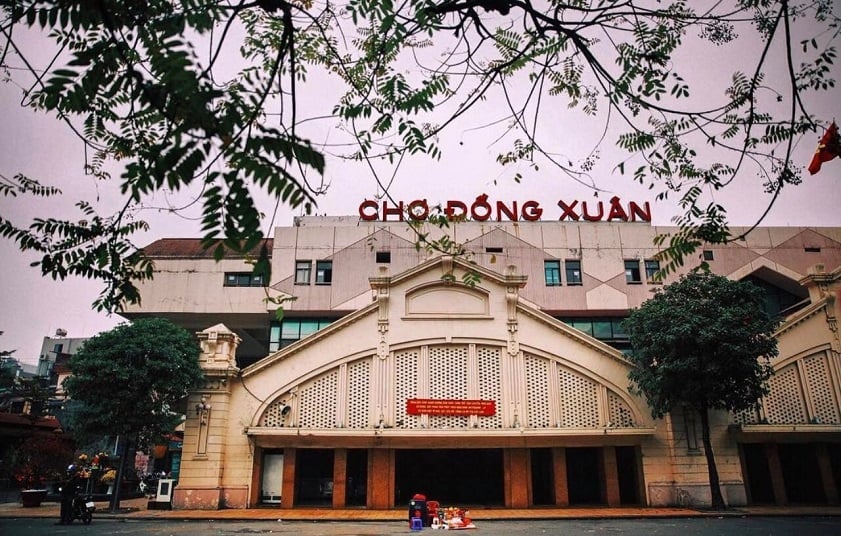
Pair a railway neighbourhood with another nearby part of Hanoi rather than trying to make the rails fill an entire day. The Old Quarter's markets and small streets offer a useful contrast, while wider avenues and lakeside paths show other rhythms of the city. Wear comfortable shoes for uneven pavements and leave time for an unplanned tea or coffee stop.
- Check current local access guidance before setting out.
- Use public pavements and designated crossings; keep clear of active tracks.
- Carry water and be ready to change plans if an area is closed.
- Ask before photographing residents or private interiors.
- Choose a guide who can explain the area beyond a train timetable.
A thoughtful railway walk is ultimately a walk about Hanoi itself: a city that has grown around old routes while continuing to make room for the daily lives of the people beside them.